Raymond Hearn Celebrates 30 Years of Golf Course Design
By Greg Jonson
Michigan-based Raymond Hearn is celebrating three decades of creative golf architecture at over 150 projects around the world but also forging ahead with enthusiasm and passion.
“Golf is a game anyone can play, and I see no signs of its popularity slowing down,” says the award-winning ASGCA member and founder of Raymond Hearn Golf Course Designs in Holland. “We are celebrating 30 years as a company while at the same time staying remarkably busy, especially in our home state.”
Hearn started playing golf at age 10, then caddied at Country Club of Detroit, a 1912 classic H.S. Colt design that spurred his interest in course design.
He started down his career path with phone calls to the offices of Robert Trent Jones Sr. and Pete Dye, two of the game’s top architects and soon to become legends.
“It took a lot of calls, a number that finally caused Mr. Jones to finally get on the phone with me and ask me why I was bothering his office,” Hearn admits.
A mention that he lived in Michigan seemed to turn the tide with Jones, who at the time was affiliated with Michigan State University educators and had MSU students working in the field with his company. Jones then outlined a career road map to follow while Dye later became one of his ASGCA sponsors and Hearn earned an Evans Scholarship.
Hearn forged ahead, earned two bachelor’s degrees, one in turfgrass science and another in landscape/golf course architecture at MSU while soaking up the lessons of celebrated educators like Paul Rieke and Joe Vargas.
“Mr. Jones had made it clear that turfgrass science would make me a better architect, so I worked as an assistant superintendent at the historic Country Club of Detroit in between degrees,” Hearn says. “That experience has been invaluable. It has helped me connect with superintendents, and they are key relationships in all my projects.”
The architecture career started with Matthews & Associates PC in Lansing, led by Jerry Matthews. Hearn spent 10 years with the firm, became the senior designer, and decided to form his own company in 1996.
As Jones had mapped, Hearn stayed tied to education. With MSU professor Warren Rauhe he helped develop a course where students studied under Hearn’s tutelage onsite at several classic golf courses in Scotland, Ireland and England.
In the 1990s golf course building boomed, and armed with knowledge and experience, Hearn was winning awards. Notable among his new projects were Sea Oaks Golf Club in New Jersey (which is now LBI National), Mistwood Golf Club in Illinois, the Grande Golf Club near Jackson and Hemlock Golf Club in Ludington. His work also took him overseas to Egypt, France, South Korea, the Bahamas, Vietnam, Panama, and El Salvador.
“The travel was incredible but difficult,” Hearn says. “I’m a hands-on designer and Pete Dye told me your clients have to see you and know your passion for their projects. It’s something I will always practice, and one of the reasons I genuinely enjoy working most often in the Midwest, the Northeast and at home in Michigan.”
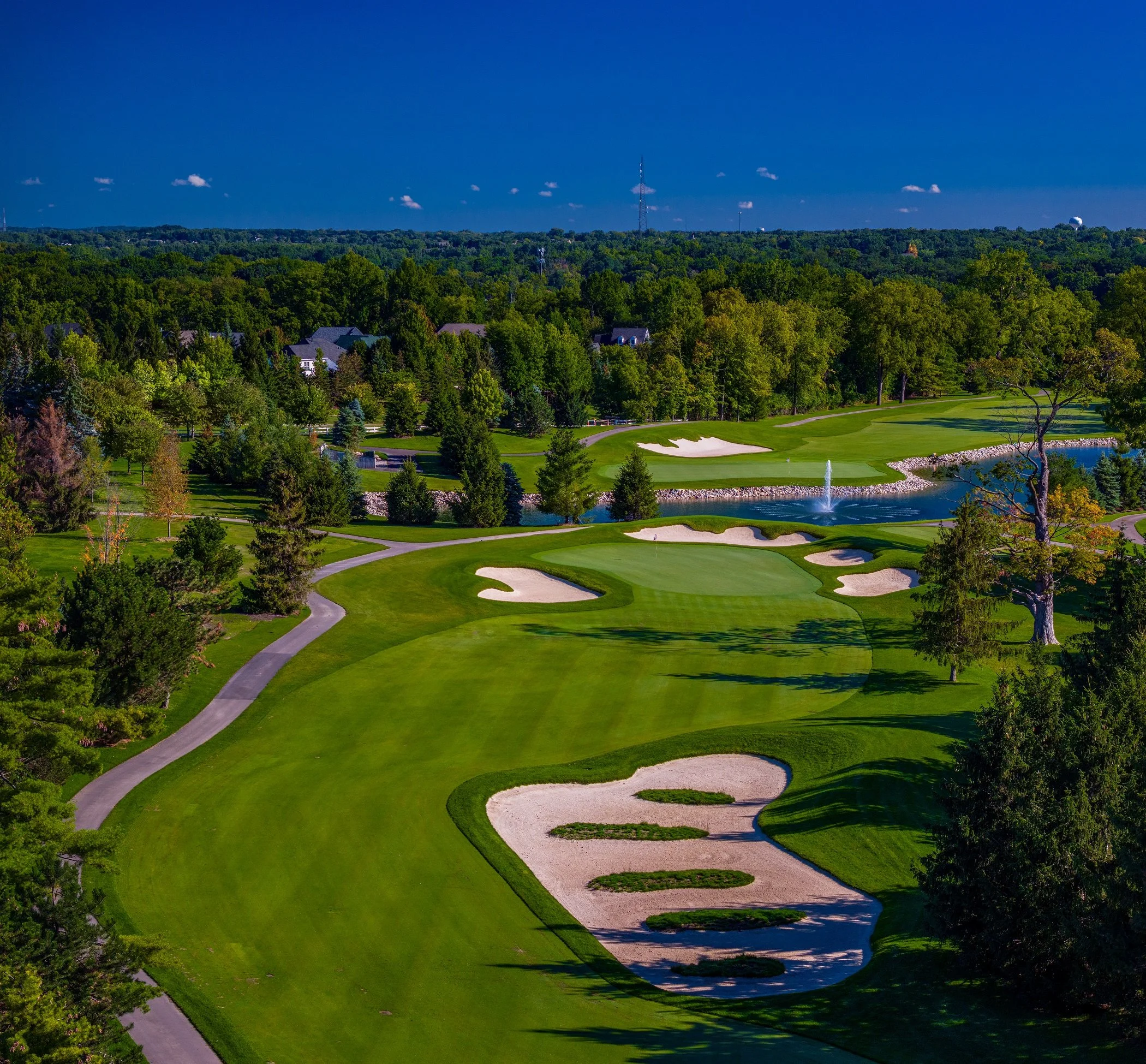
The Michigan projects have mounted over the years and include Island Hills Golf Club in Centreville, Macatawa Golf Club in Holland, Quail Ridge Golf Club near Grand Rapids, Moose Ridge Golf Club in South Lyon, The Strategic Course at Fox Hills in Plymouth and others.
Throughout his career Hearn has also worked in the part of the business he enjoys the most – restoration and remodeling of classic courses (pre-1930s). It is ingrained in his design philosophy, which is rooted in those Golden Age courses. Among his early projects were Red Run Golf Club in Royal Oak, a Willie Park Jr. design, Tam O’Shanter Country Club in West Bloomfield, a C.A. Allison design, and Washtenaw Golf Club, a Bert Way original in Ypsilanti that he has returned recently to work with new ownership.
With his reputation as an ambassador for architecture rooted in tradition and thoughtful land stewardship reflected in his work, multiple restoration/renovation awards followed. Among them, work at Flossmoor Country Club in Illinois, an original Herbert Tweedie design from 1899, and the historic Club de Golf de Panama in Central America.
A renovation of his original design at highly regarded Mistwood Golf Club in Illinois gathered more awards, as did work at Moon Brook Country Club in New York, a 1919 Willie Park Jr. design. Back home, he won another ASGCA Design Excellence Award for work at Waters Edge Golf Club in Fremont.
Golf Inc. Magazine tagged Hearn as one of the Highest Valued Golf Course Architects in the U.S., and in the last decade, his portfolio has continued to build. Restoration projects, like Midlothian Country Club in IL, founded in 1898 and once a U.S. Open venue, The Metedeconk National Golf Club in NJ, Aurora Country Club in IL founded in 1914, Bendelow / Langford and the Crestmont Country Club in NJ, a 1922 Donald Ross design, are notable, and led to more Golden Age projects in Illinois, New Jersey, Indiana and Michigan.
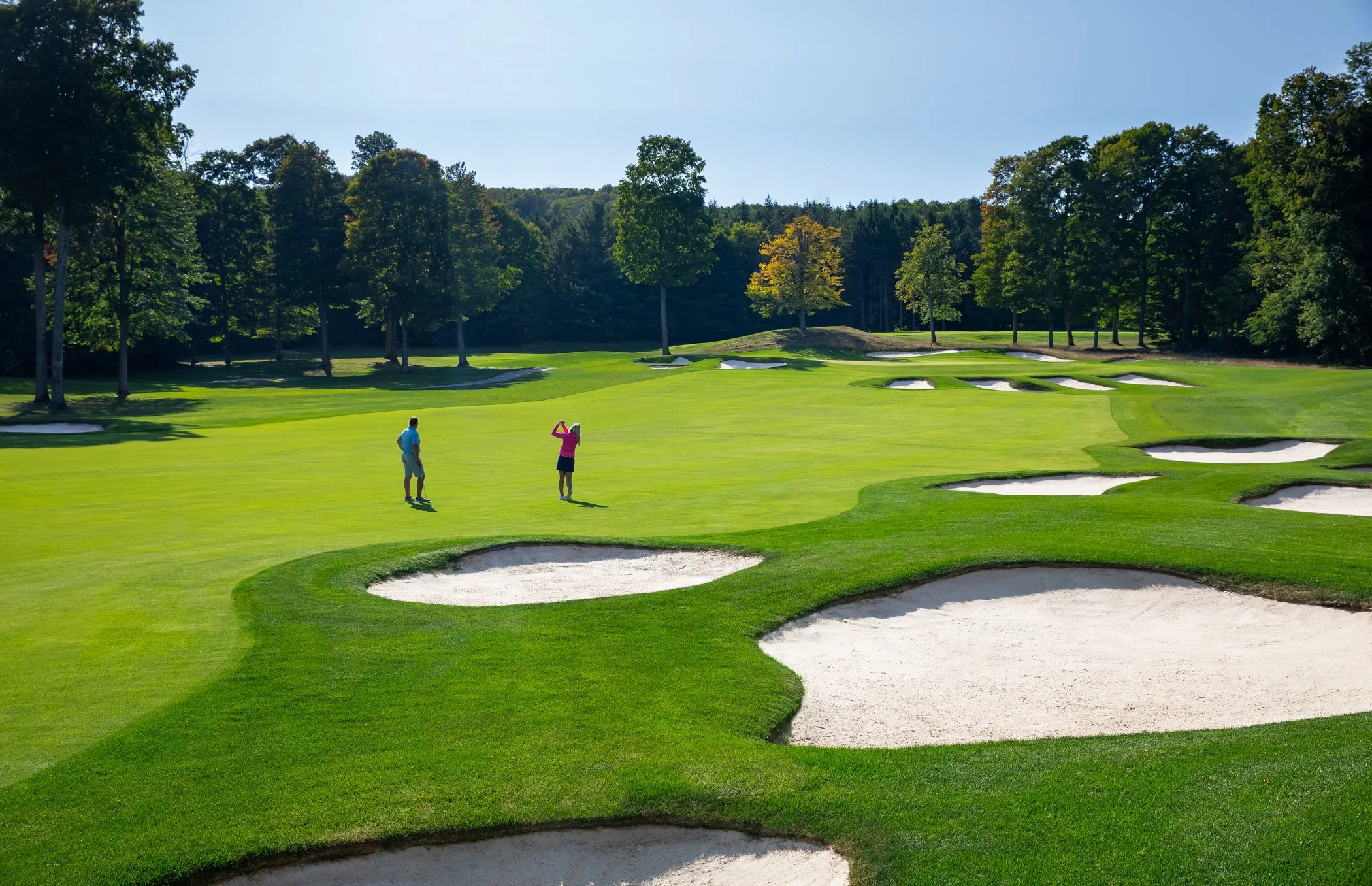
BOYNE Golf, which has 14 courses, including 11 in Michigan, has trusted Hearn with work on 10 courses, including the unique Donald Ross Memorial. His innovative design of their new short course, Doon Brae, has earned high praise.
His latest new 18-hole design, The Cardinal at Saint John’s Resort near Detroit, hosted the LIV Tour’s season-concluding Team Championship in 2025 and received rave reviews from players, media and others.
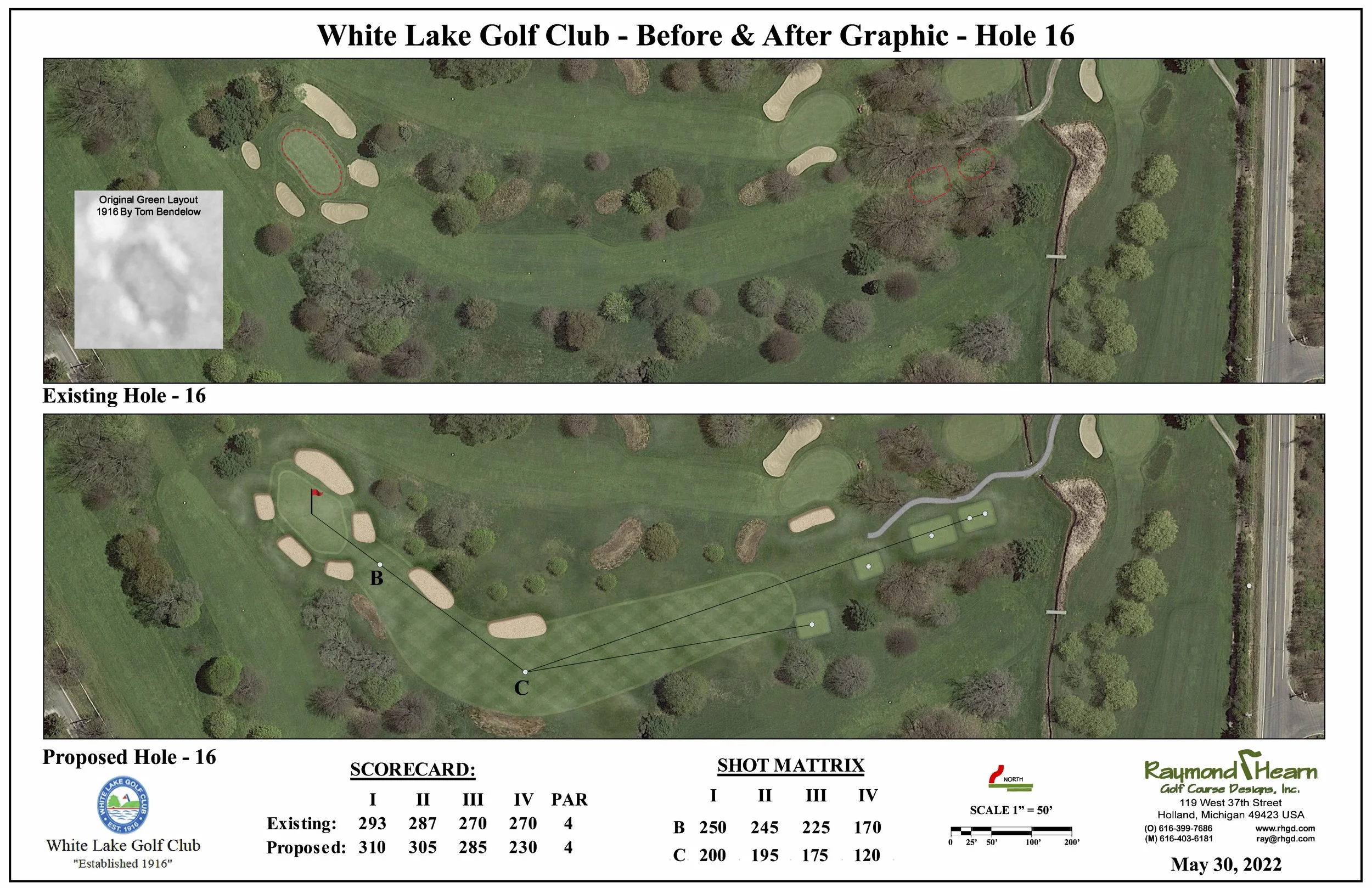
Other projects in Michigan are The Heather, an RTJ Sr. original and BOYNE Golf’s first course, continued work with Washtenaw and White Lake near Muskegon, Inverness in Chelsea, Three Fires near Holland, The Wyndgate in Rochester Hills, Maple Lane in Sterling Heights and Youngs in Crystal Falls.
“The future of our firm looks as promising as our past, if not even greater,” Hearn says. “Like golf, we are not slowing down. We are full speed ahead into this next decade.”