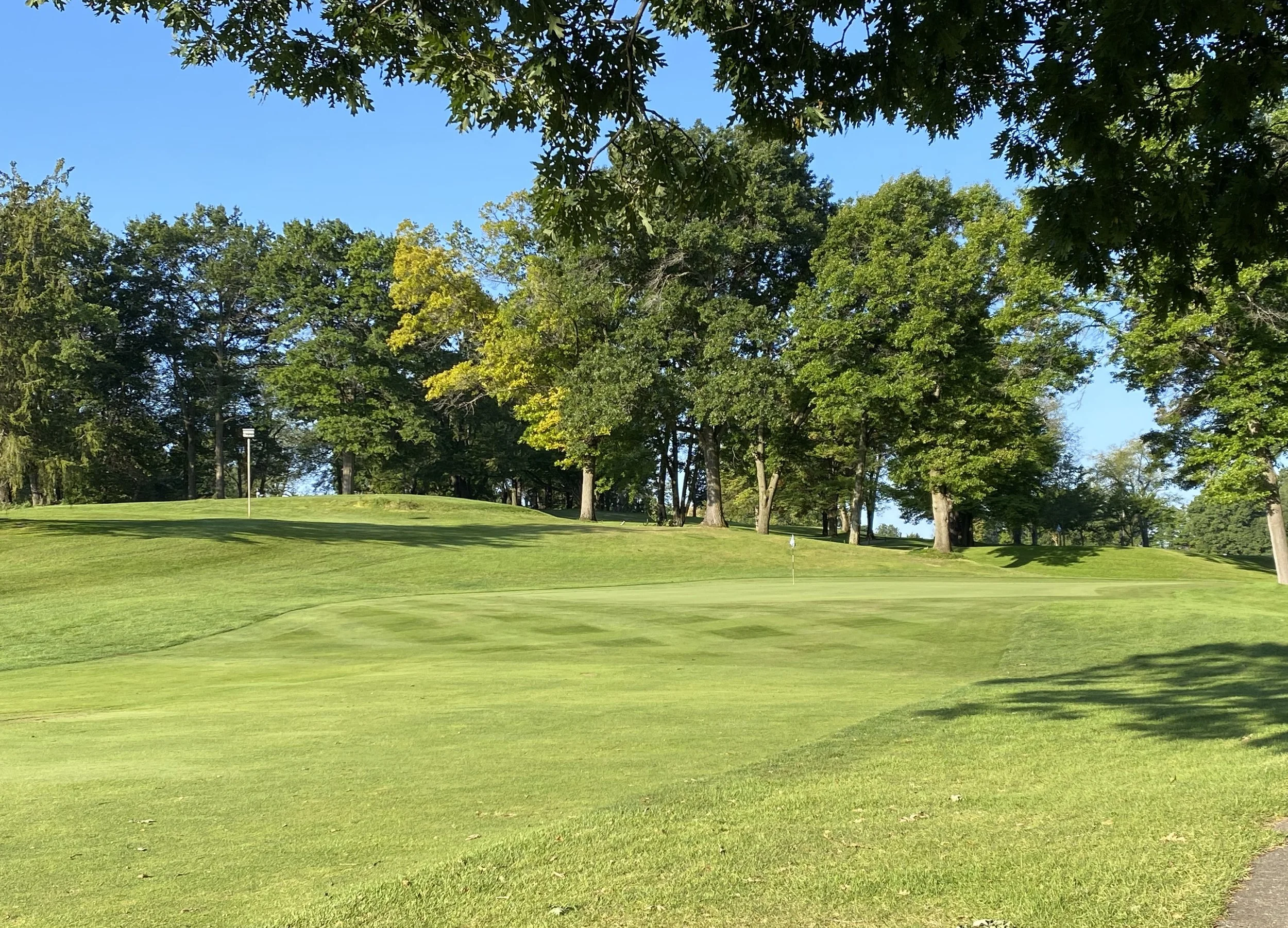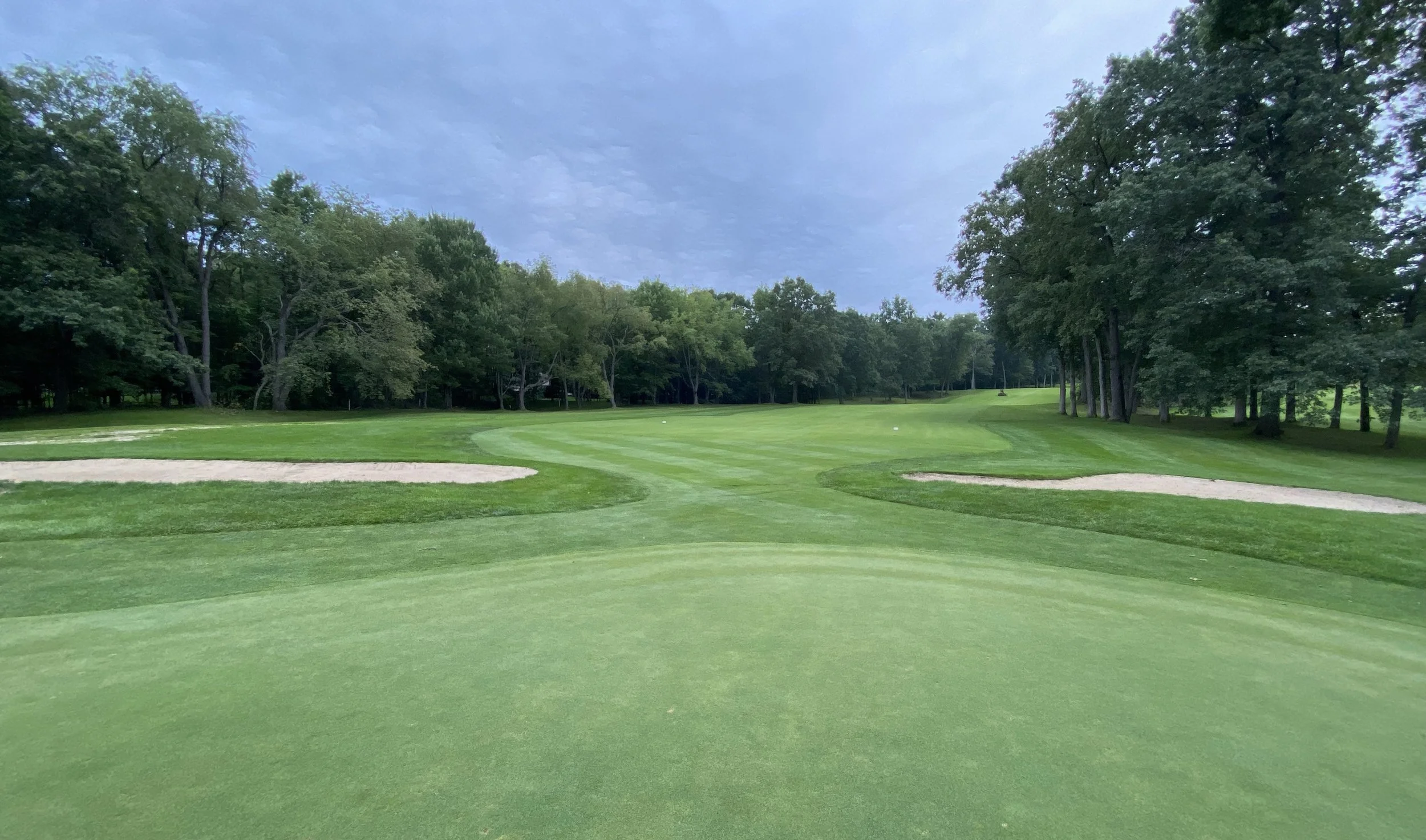
Dunham Hills Upgrades Underway
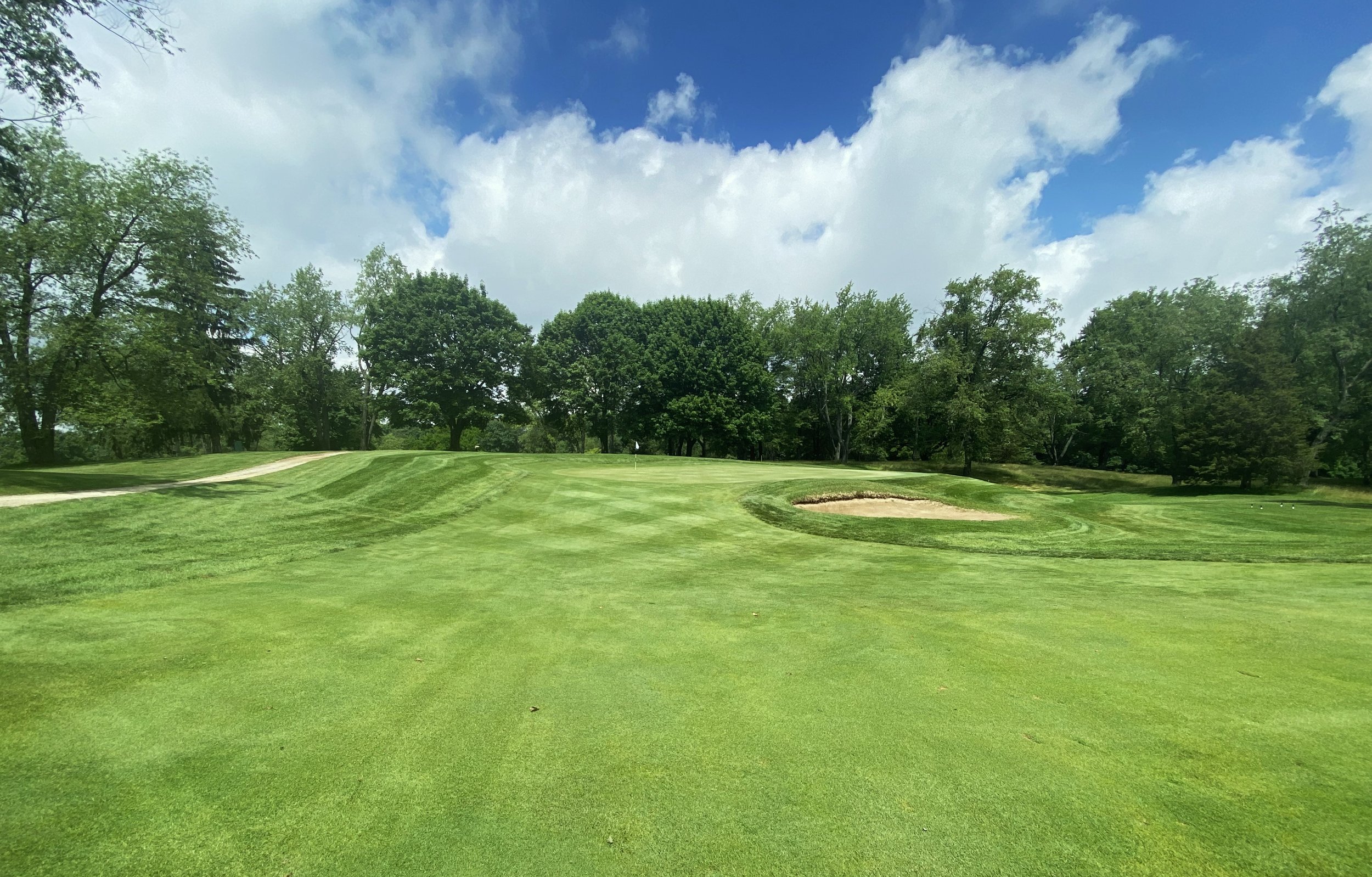
Plans to become a Mike DeVries course design in SE Michigan
By Tom Lang
Michiganders are lucky that one of the top golf courses designers in the world is one of us, Michigan native and Traverse City resident Mike DeVries.
His designs hit early and often in the Grand Rapids area, then eventually he expanded worldwide with rave reviews and awards all along the way. Probably the most well-known Michigan courses he designed are nationally-ranked Kingsley Club and Greywalls, for starters.
Now, a new group of owners who want to bring an old-model golf course operation style from Britain and Scotland to the U.S. have tapped DeVries to build in Southeast Michigan for only his second time – near Hartland to be more precise.
Led by amateur golf enthusiast Ben Cowan, who founded the rating group called Michigan Golf Course Architecture Society (see their top 100 courses list in this edition), a group of investors purchased Dunham Hills Golf Course, east of U.S. 23 and north of M-59.
“We’re trying to really reshape the way people think about golf in America,” said Dunham Hills business partner Doug Zaccari. “We have identified with what we see as a gap, and hopefully we’re right.”
He indicated that people involved in reshaping Dunham Hills believe that even ‘high end’ public golf doesn’t deliver.
Zaccari said the handful of public courses that many would identify as the better ones in metro Detroit, “none of them are architecturally significant in any way, shape or form. They’re all five-hour plus rounds, they’re all well over $100. We want to build a place where we have a large number of patrons (members) who can join with an annual membership but wouldn’t be subsequent to the really high initiation fee that the private clubs see.”
They will also have public tee items available, “so that we have a true UK model; where the public will be able to come and patronize,” Zaccari said, adding that they believe the UK model of mostly members playing the course will take better care of it on a day-to-day basis, but still wish to allow public play.
Bringing in someone like DeVries, a big gun in the golf design business who doesn’t have a big ego, Zaccari said he’s made several great courses in west Michigan and across the globe and DeVries is ready to stop bouncing around in Buenos Aires and Tasmania and other countries – and wants to put his stamp in SE Michigan.
In the short term, for the 2025 season at least, upgrades to Dunham Hills have taken shape in the form of doubling the staff for better service, updating improved food offerings, removing way overgrown trees, and even moving the second tee (turning that par 5 into a 4) to place it in a safer location away from stray balls coming into the 6th green. Depending on funding, the 2026 season might be when the new DeVries course gets built – with a new name.
DeVries is planning to change the course to a par 70 with some significant routing changes.
“We want to do what the land gives it, and what the land presents to make the best golf course possible,” Zaccari said. “We won’t worry about those kind of faux paus we look at in the U.S. for building golf courses and forcing that par 72 at over 7,000 yards. We really trust his vision and really look forward to building that project in the next couple years.”
What’s Ahead for Dunham Hills:
I asked DeVries what attracted him to the project. He said both the land, and the vision of a European style of operation.
“Actually, it’s a cool piece of ground,” he said. “There’s lots of undulation. It’s in metro Detroit, but still kind of isolated out in the country – yet is really accessible. Not that far off U.S. 23 and M-59.
“I’m always attracted to areas that are public accessible, maybe with a membership element. So, I think that’s all really positive.”
DeVries earned his graduate degree at U-M, and his wife is from the northern Detroit metro area, so in some ways it’s a homecoming. He is tasked to build some new holes but also improve the current routing and make a par 70 layout.
“I like the vision of a high-quality layout that isn’t going to break your bank, is accessible for the members and patrons with certain playing rights and times,” he added. “Its plan is a more UK or Australian, Scottish, Irish kind of mentality, as far as accessibility (for the public) from a club standpoint. I don’t think Americans really understand that (model), so I think that brings a lot of potential.”
Like all designers, it’s important to not try simply recreating holes they have done before.
“There are guys who say there are only so many greens you can build, but to me that’s an erroneous thought,” DeVries said. “Really, when you start to look at a piece of property, I respond to what’s inherently there. Asking, how do we build good, fun golf that’s engaging for every level of player for that property, and not just try to drop a template in there, or this idea or that idea, and try to reproduce it.
“For me, it’s sculpture with a 20,000-pound piece of equipment. To me, that’s all part of the creative process and figuring out the right puzzle and how we solve that.”
The future looks good in SE Michigan for puzzle solvers.